

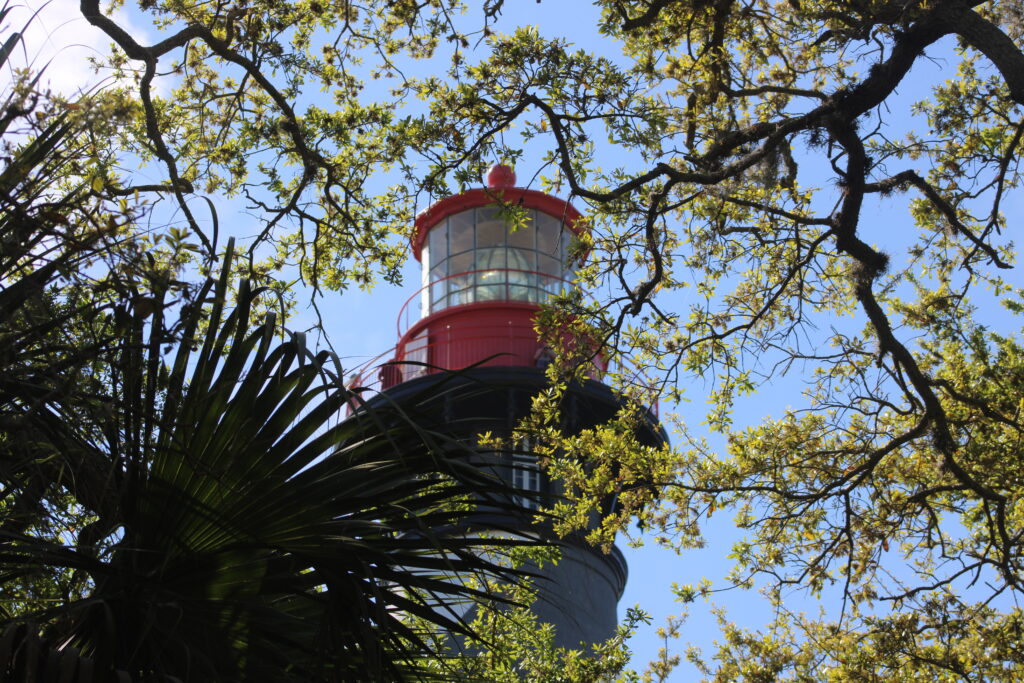
One of the first stops in Florida last week was St Augustine. The first city in America founded by the Spanish, we went to see a haunted lighthouse. We first got interested in St Augustine when Ghost Hunters, a ghost hunting show on the Sci Fi channel, visited the lighthouse in 2006. We ended up finding much more on our visit.
Key Features
- Castillo de San Marcos National Monument This massive 17th-century star-shaped fortress dominates the downtown waterfront. It features a large moat, four diamond-shaped bastions, and expansive “glacis” (sloping outer defenses) that are now popular spots for public viewing of the Matanzas River.
- St. George Street (The Pedestrian Mall) The city’s primary thoroughfare is a pedestrian-only brick-paved street lined with colonial-style buildings. It serves as the “spine” of the historic district, connecting the City Gate to the Plaza de la Constitución.
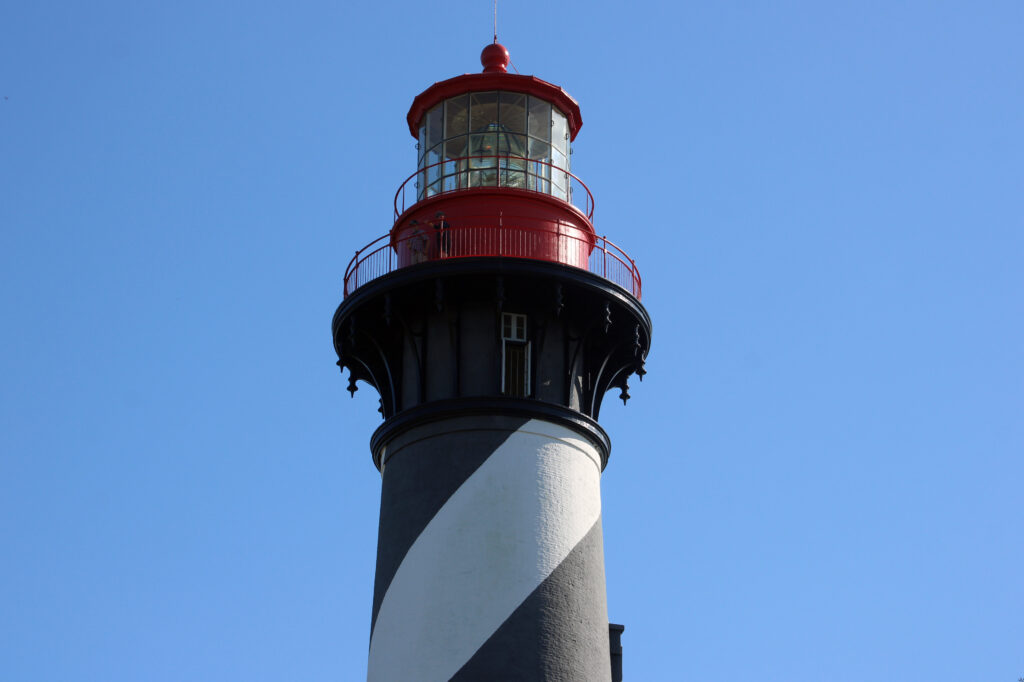
- The St. Augustine Lighthouse Standing 165 feet tall on Anastasia Island, this lighthouse is famous for its distinctive black-and-white spiral stripes and red lantern. Visitors can climb its 219 steps for a panoramic view of the Atlantic Ocean and the intracoastal waterway.
- Plaza de la Constitución Established in 1573, this is the oldest public park in the United States. It features a central gazebo, historic monuments, and the Cathedral Basilica of St. Augustine, serving as the town’s central gathering square for centuries.
- Anastasia State Park Located on a peninsula, this park features four miles of pristine white quartz sand beaches. It is a major natural feature of the area, encompassing tidal marshes, maritime hammocks, and ancient sand dunes.
- The Bridge of Lions This scenic drawbridge connects downtown to Anastasia Island. It is easily recognized by the two large Carrara marble lions (named “Ponce” and “Felice”) that guard the western entrance, and its Mediterranean Revival towers.
- Flagler College (Formerly the Ponce de Leon Hotel) A masterpiece of Spanish Renaissance architecture, this campus features a massive 80-foot domed rotunda and the world’s largest collection of Tiffany stained glass in its dining hall. Its ornate towers are a signature part of the city’s skyline.
- The Matanzas River Part of the Intracoastal Waterway, this saltwater bar-built estuary separates the mainland from the barrier islands. It provides a natural harbor that was the primary reason for the city’s strategic location.
- The Old City Gates At the north end of St. George Street stand two massive coquina pillars. These are the remnants of the “Cubo Line,” a defensive wall made of logs and earth that once protected the northern land entrance to the city.
- The Fountain of Youth Archaeological Park This 15-acre waterfront park is the site of the original 1565 settlement. Key features include the natural spring housed in a 19th-century stone building, a reconstructed Timucua village, and a 600-foot observation pier over the marshes.
St Augustine Lighthouse
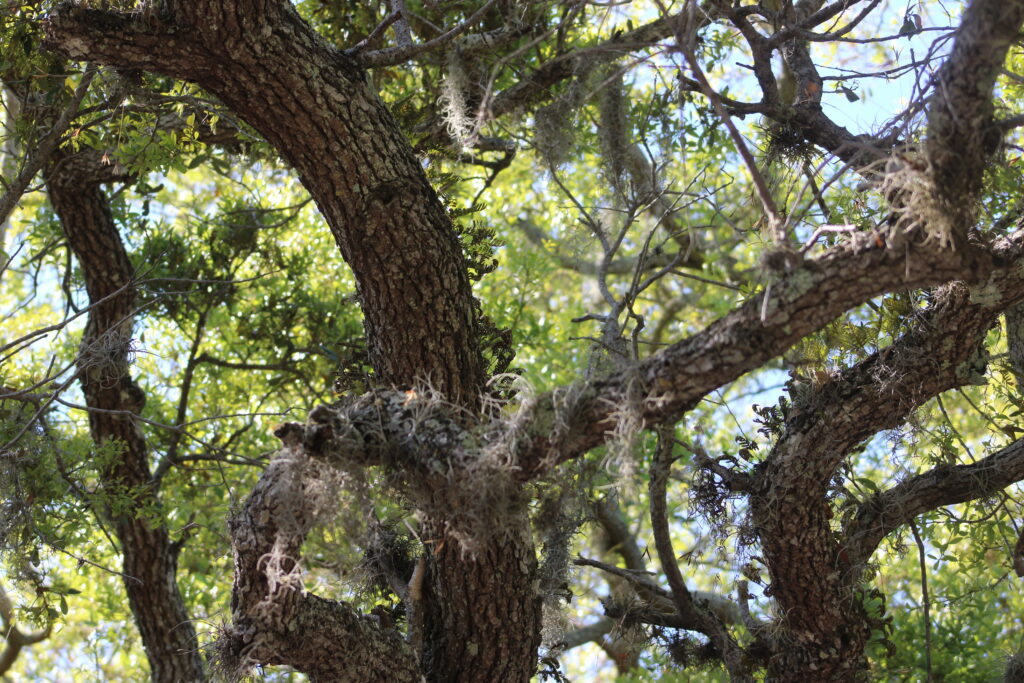
After driving for hours from Macon GA to St Augustine FL, and checking into our hotel we drove to the lighthouse. Part of the fun of our trips is that we figure out what we want to do by visiting. So when we got to the lighthouse we did not know exactly what we would find.
The lighthouse has an open museum complex at its base. The parking lot was covered in shading oak trees. And a few small hiking trails at the back of the complex.
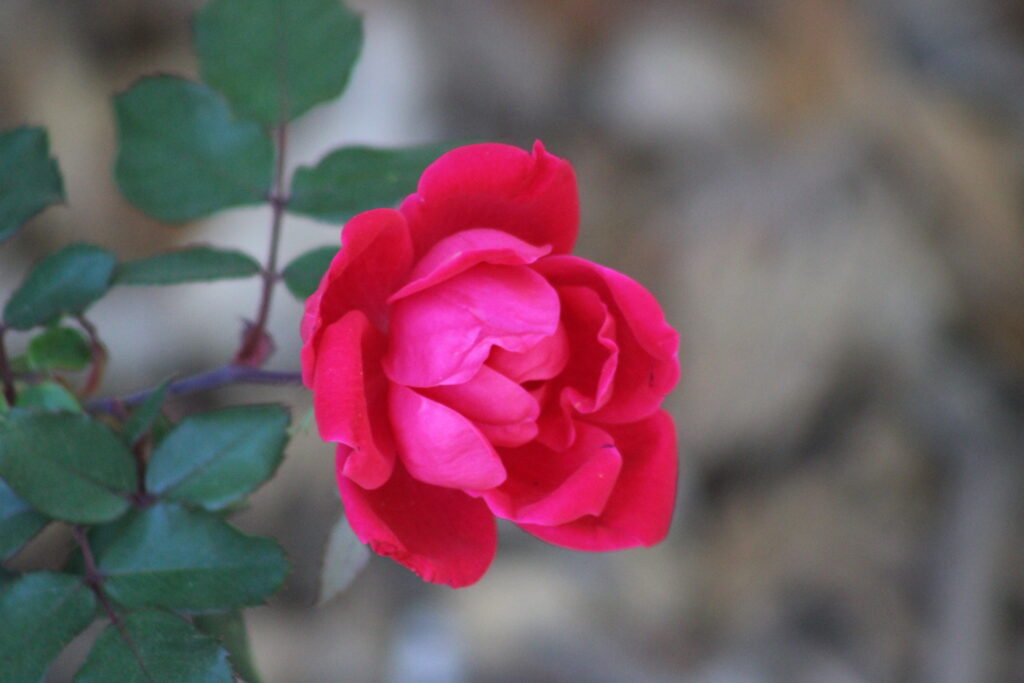
We walked into the first building which served as entrance, exit and gift shop. As we paid for our entrance I jokingly asked the clerk when they installed the elevator. A small joke that briefly caught her before she chuckled in annoyance. Dad jokes, am I right?
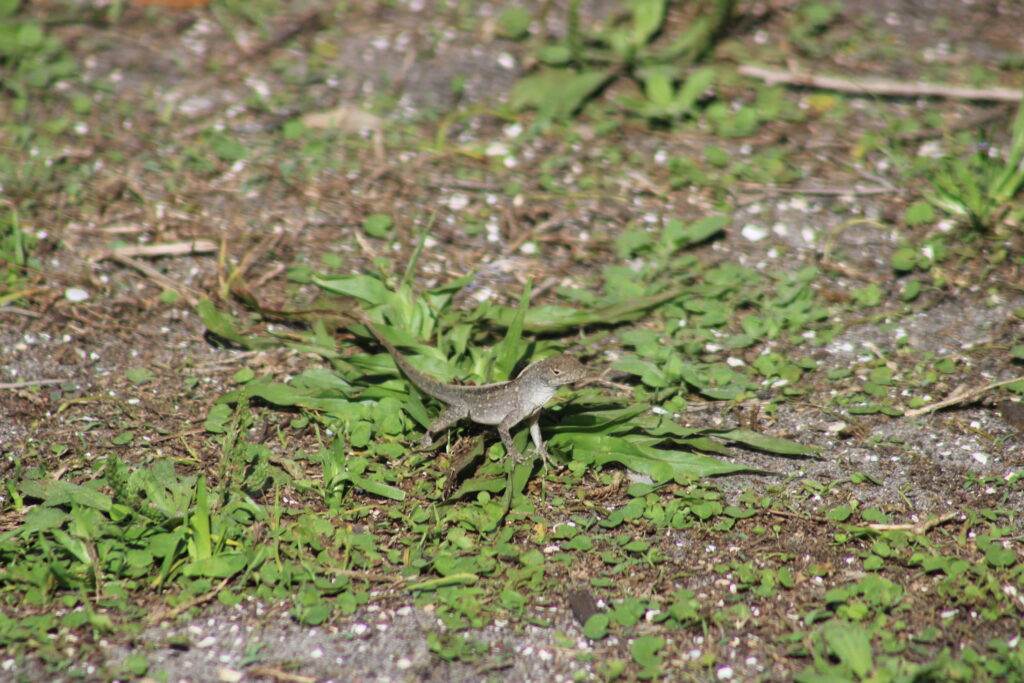
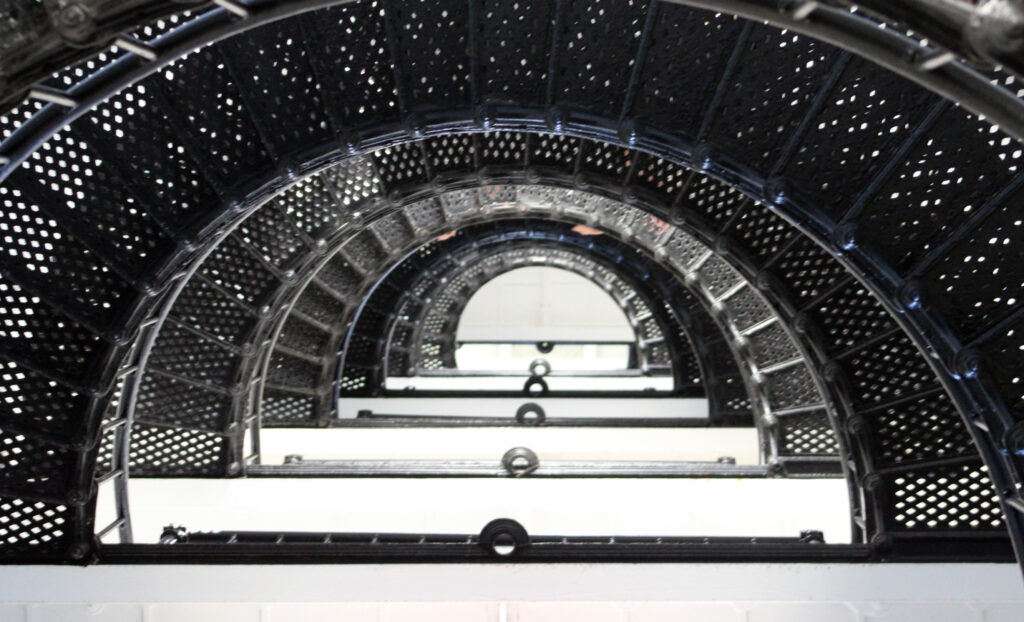
We walked out of the gift shop and started our visit. Our first stop was the lighthouse itself. There are 219 steps to the top of the St Augustine Lighthouse. There are 8 different landings where someone who is not in peak climbing condition could rest. But eventually I made it to the top.
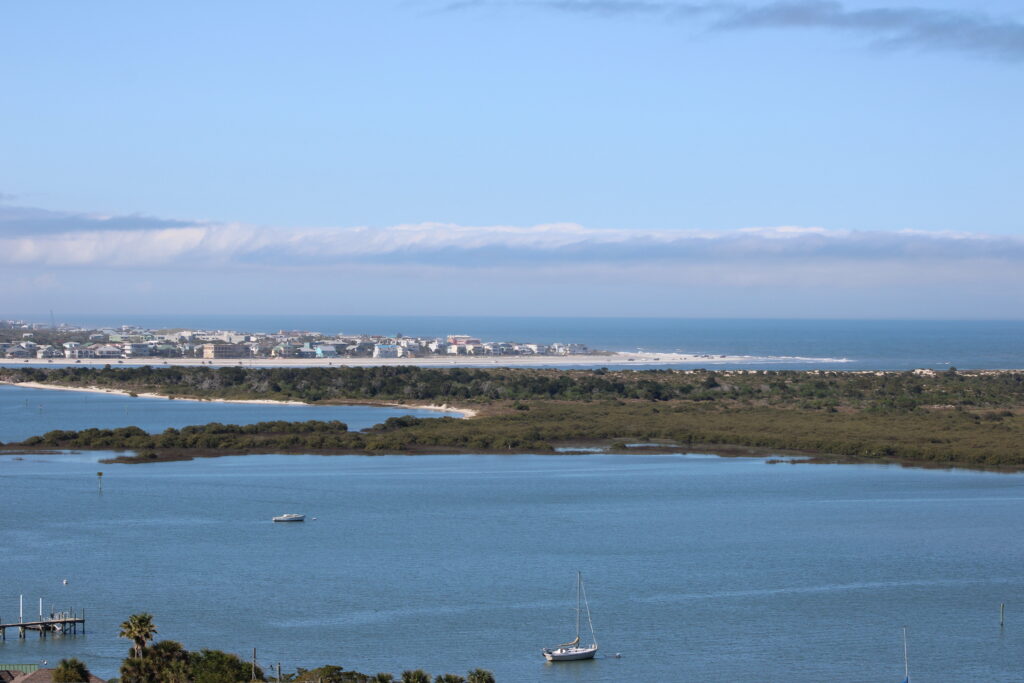
At the top is an amazing view of both St Augustine and the ocean. We all took a few minutes to enjoy the afternoon view before starting our decent down the lighthouse. We stopped at each landing to make sure that no one was trying to ascend before continuing down.
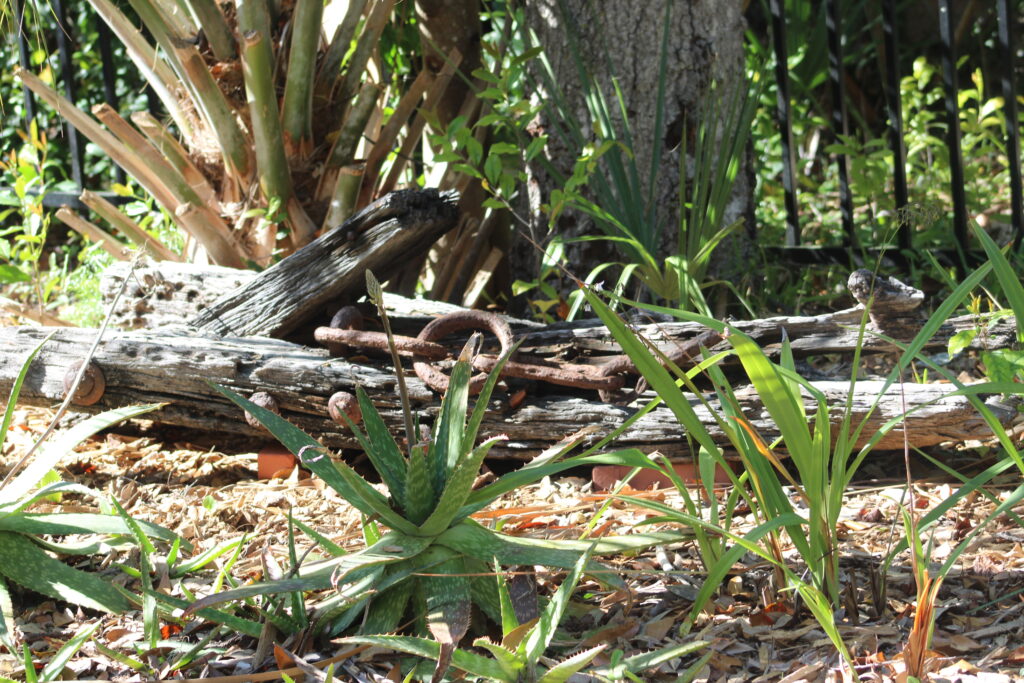
Once again on the ground we decided to visit the lighthouse keepers dwelling. A two story home across a small court yard from the lighthouse. On the first floor there was an exhibit of classical accommodations in which the lighthouse keeper would have had when the lighthouse first opened. There was also an exhibit about the sunken ships in the area which were the need for the lighthouse in the first place.
After the dwelling we exited out the front of the home to see the oak filled front yard of the plantation style house. Walking back around the house to the court yard we found the rest of the open museums exhibits.
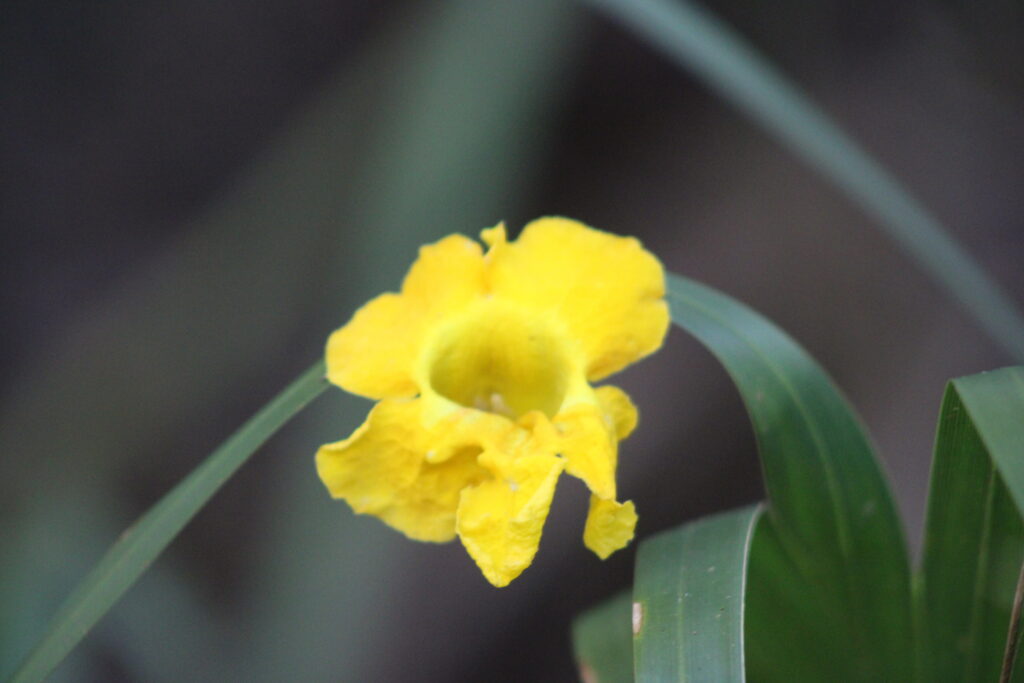
But first we stopped for some homemade popsicles. Perfect for the 80 degree day. One of the several outbuildings along the court yard had a concession stand. In the other were a lab where artifacts from nearby sunken ships where restored and another exhibit hall of models of the ships found sunk in the area.
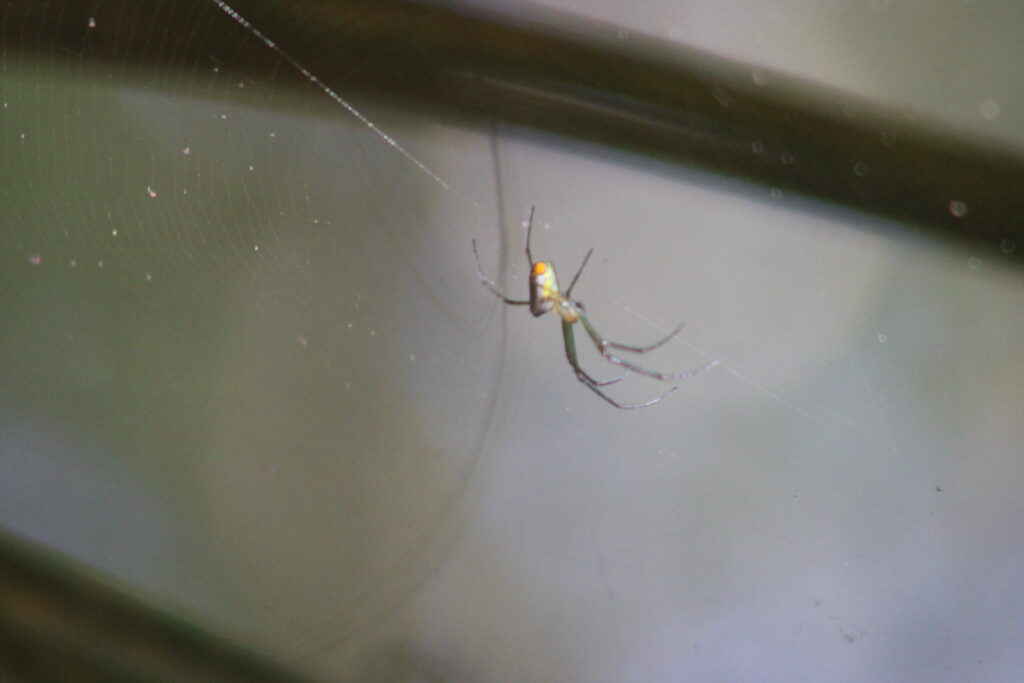
This building also held a model of the light house that existed on the sight prior to the existing structure. The existing lighthouse was built from 1871 to 1874 with it first being lit in 1874. The prior lighthouse was a classical Spanish building constructed in 1824.
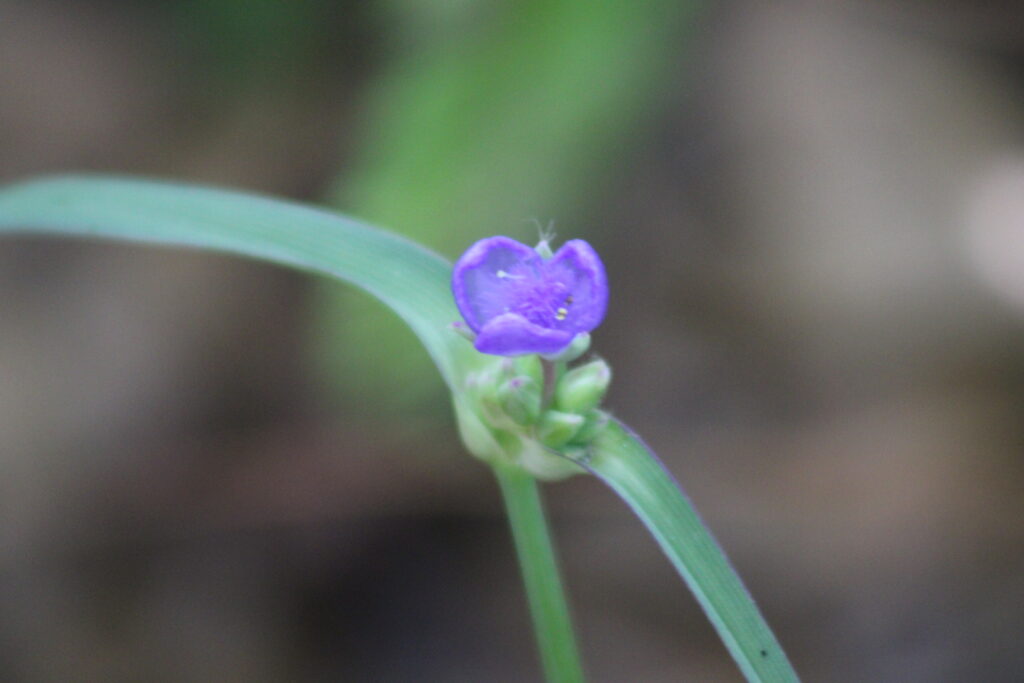
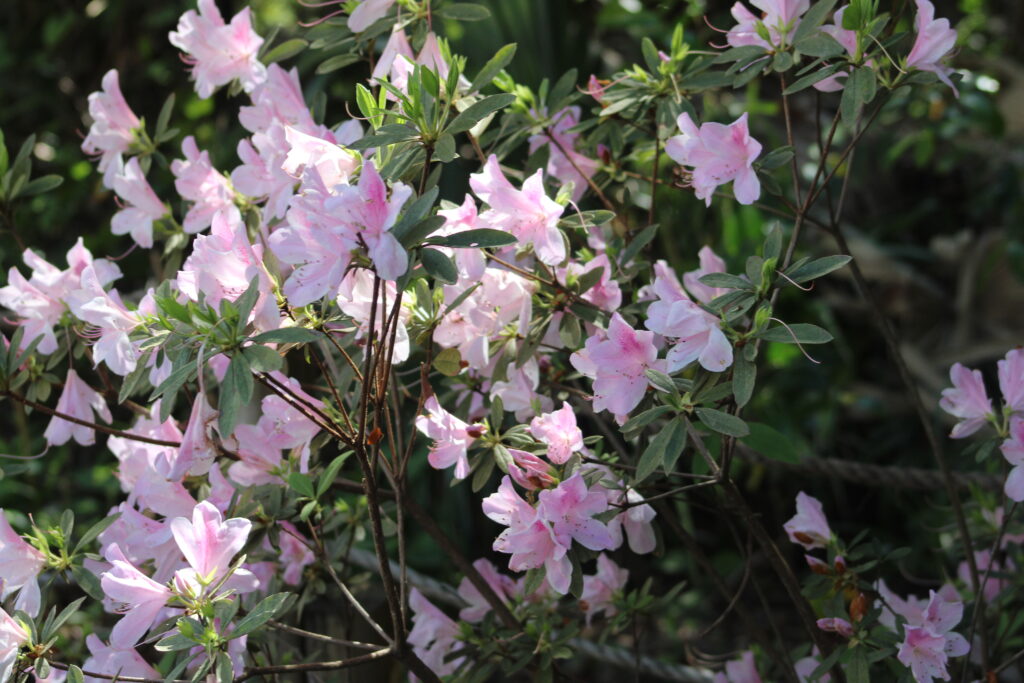
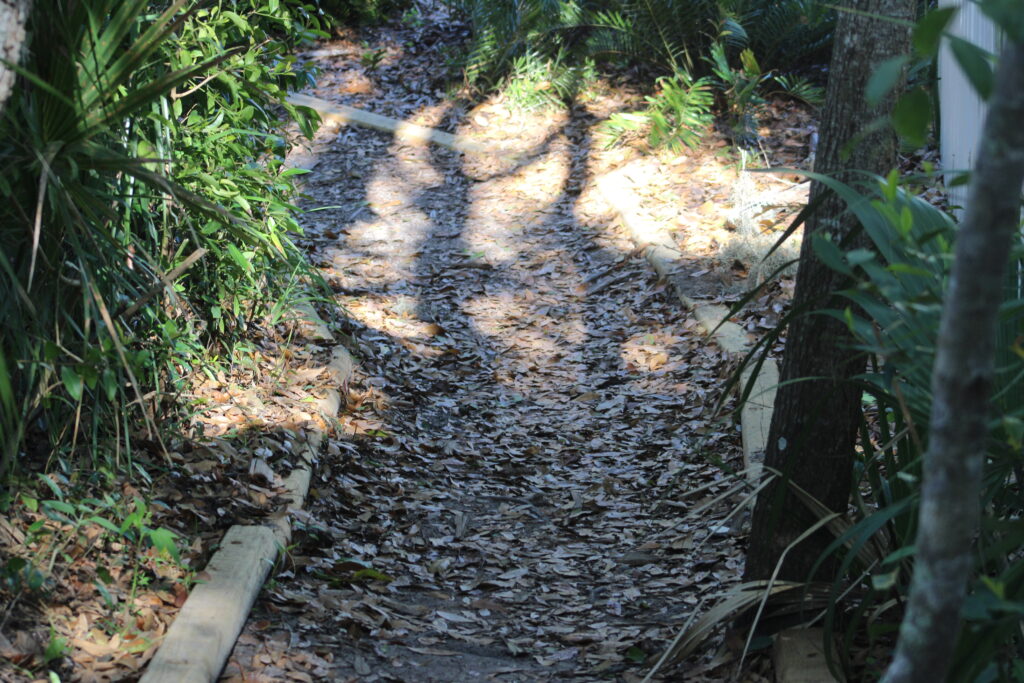
The last thing we did during our visit was walk the wooded trail behind the museum. Song birds flitted through the trees as we walked. And I whistled to the birds as we walked, in an attempt to get a better picture of the birds.
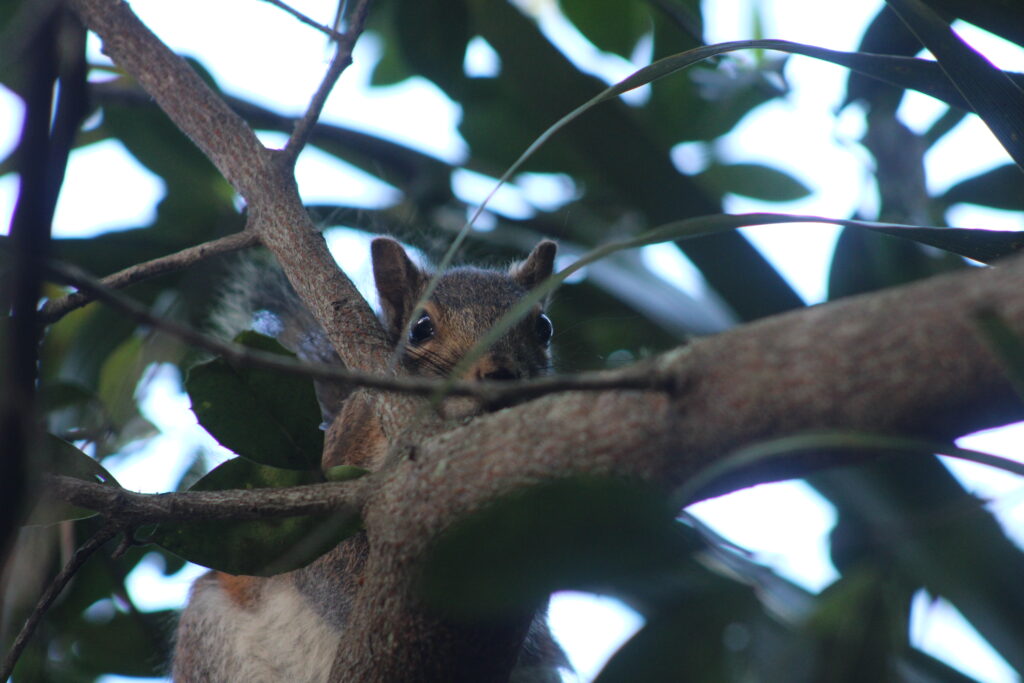
Eventually though we left the lighthouse with hopes to visit more of St Augustine.
Castillo de San Marcos
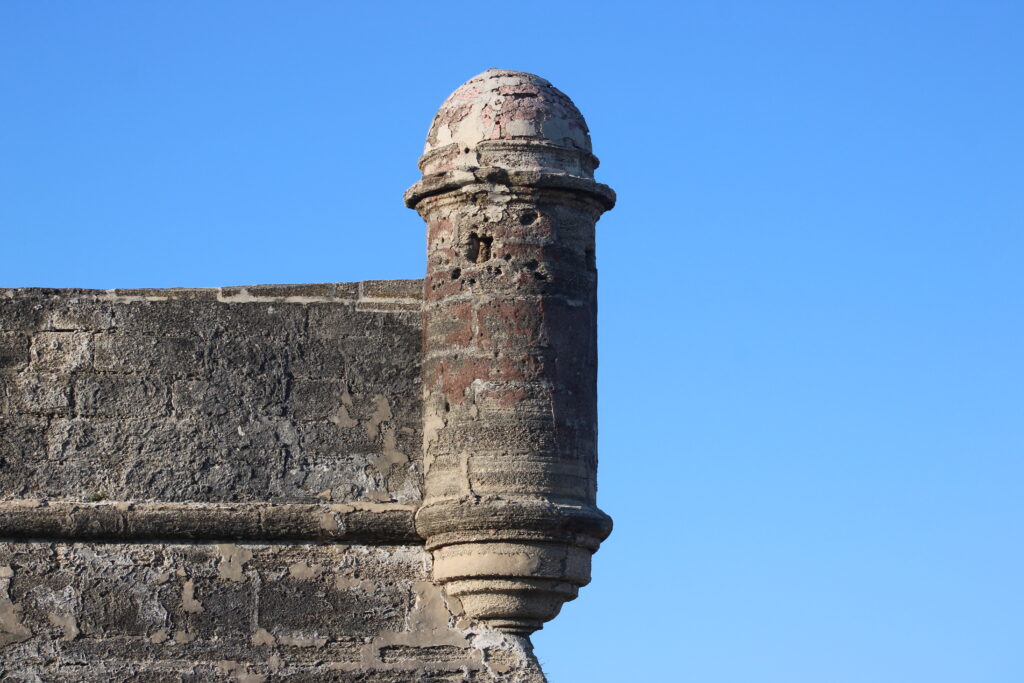
Our hotel was a little less than a mile north of the Castillo de San Marcos and St George Street. So with time left in the day we decided to hike to visit them both.
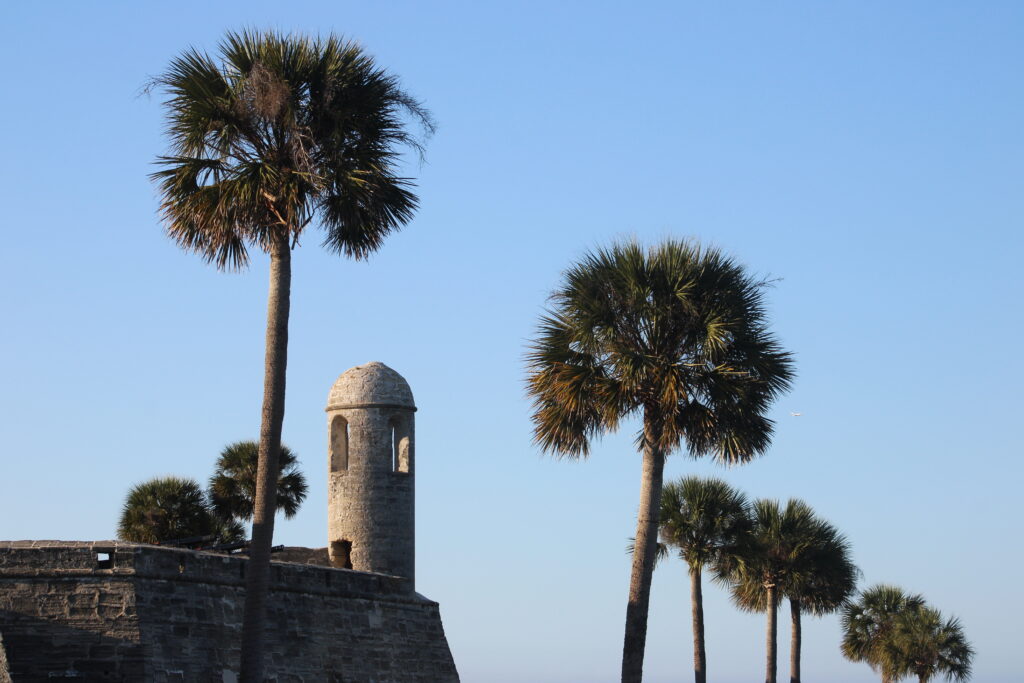
Across from the fort is an old cemetery just outside the original city gates. We visited these before venturing. Taking some pictures of the old stone work preserved for tourist to view.
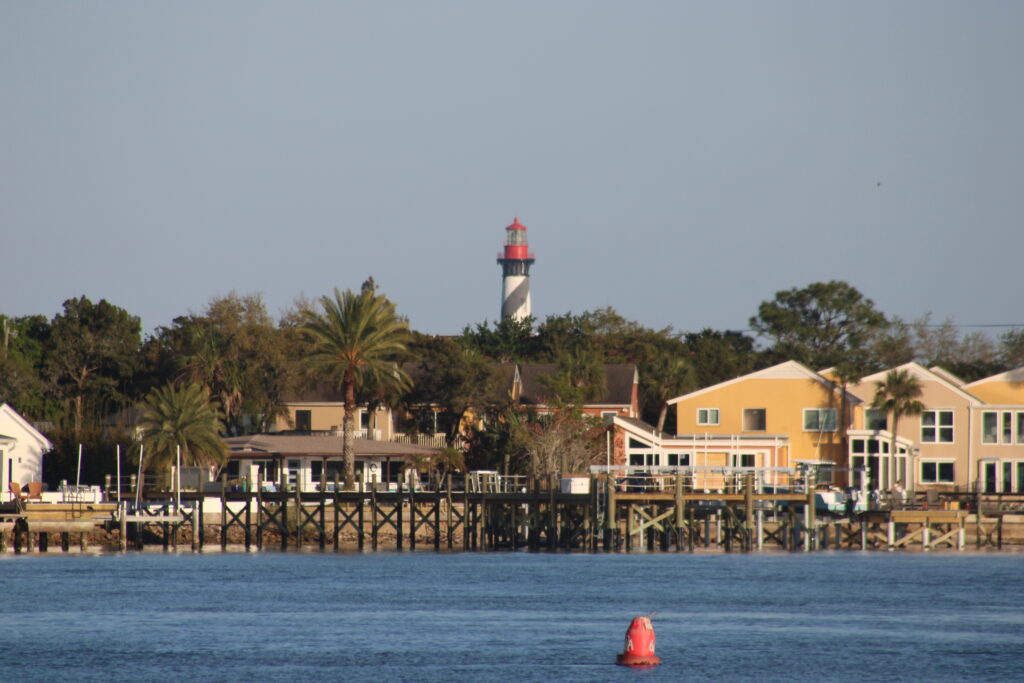
An old city wall leads from the city gates to the fort itself. However now it is penetrated by a modern road. And we were forced to find a safe sidewalk before reaching the fort itself.
Safely crossing the road we found that the fort was closed for the day to visitors however the grounds outside the fort where open for us to walk around and take pictures. The fort claims to never have been forcefully taken, as the concrete made from local limestone and sea shells was seemingly impervious to cannon fire.
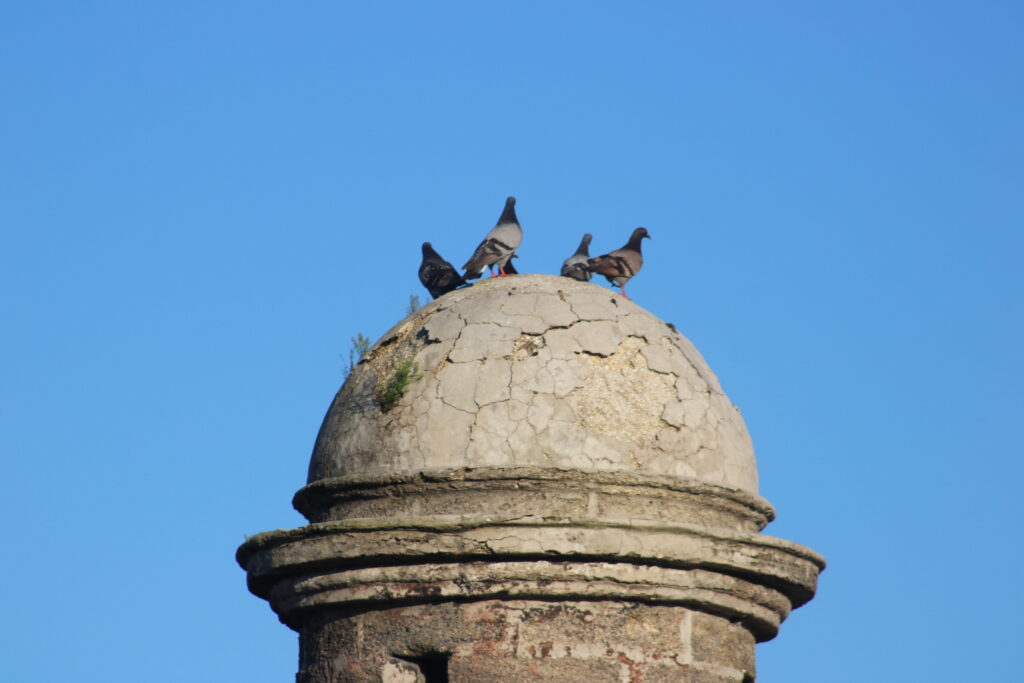
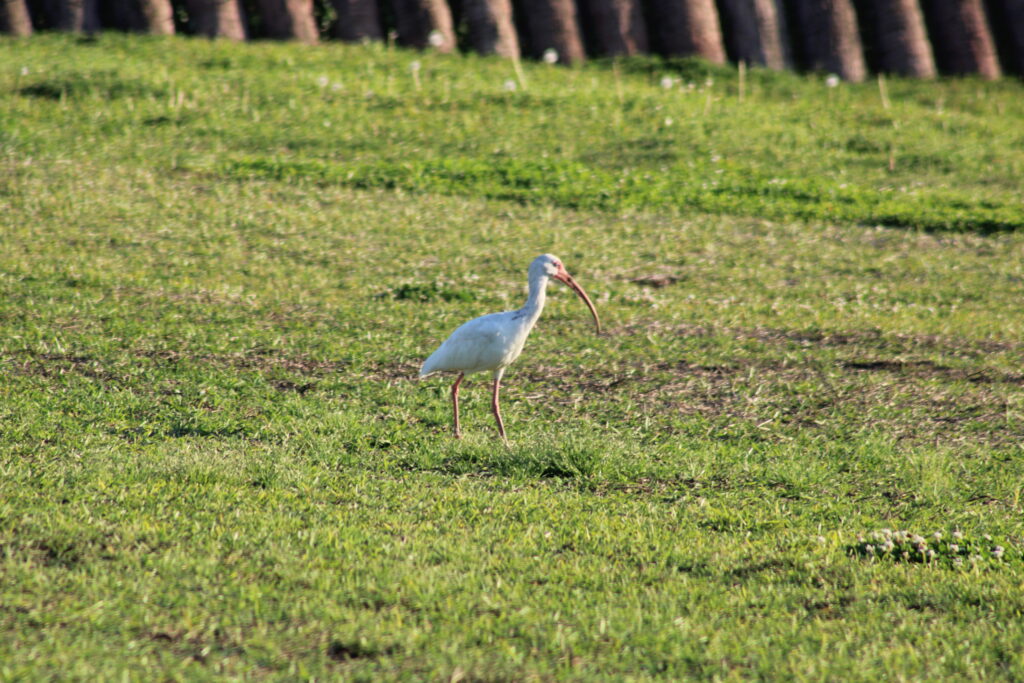
As we walked along the river side of the fort a Pirate Ship sailed under the draw bridges of the Bridge of Lions. We continued our circle around the fort. I took pictures of the fort and the wild life around the fort. A White Ibis pecked through the grass between the fort and the St. George Street area.
St. George Street
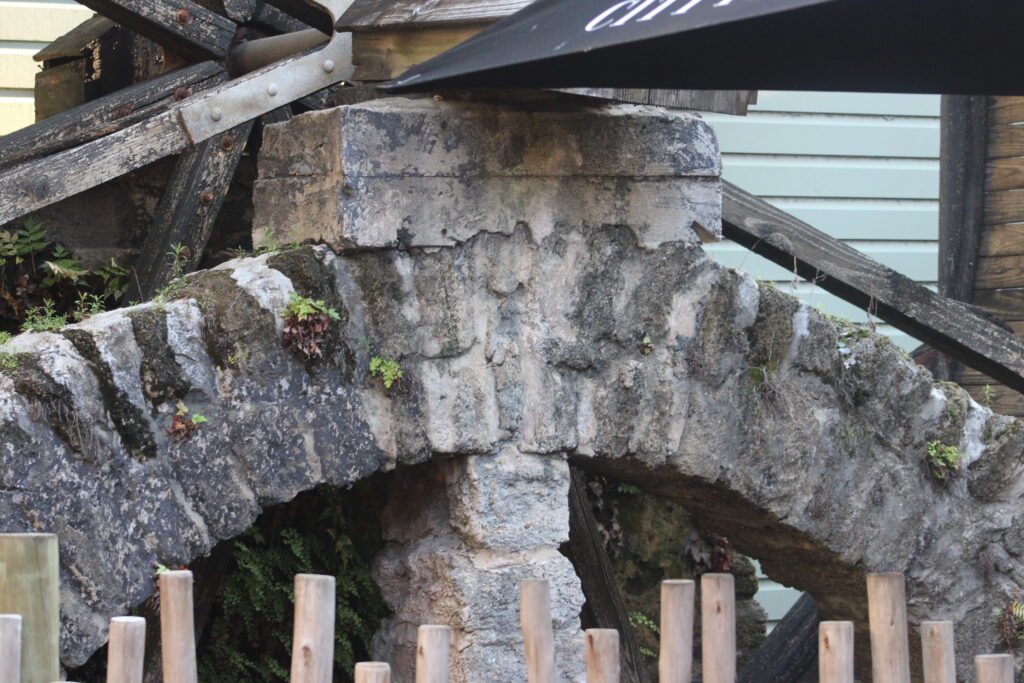
Having visited the fort, we crossed the road back to the St. George Street area. The area surrounding St. George Street is the old city which is now filled with restaurants, bakeries, bars, and gift shops filled with over priced souvenirs.
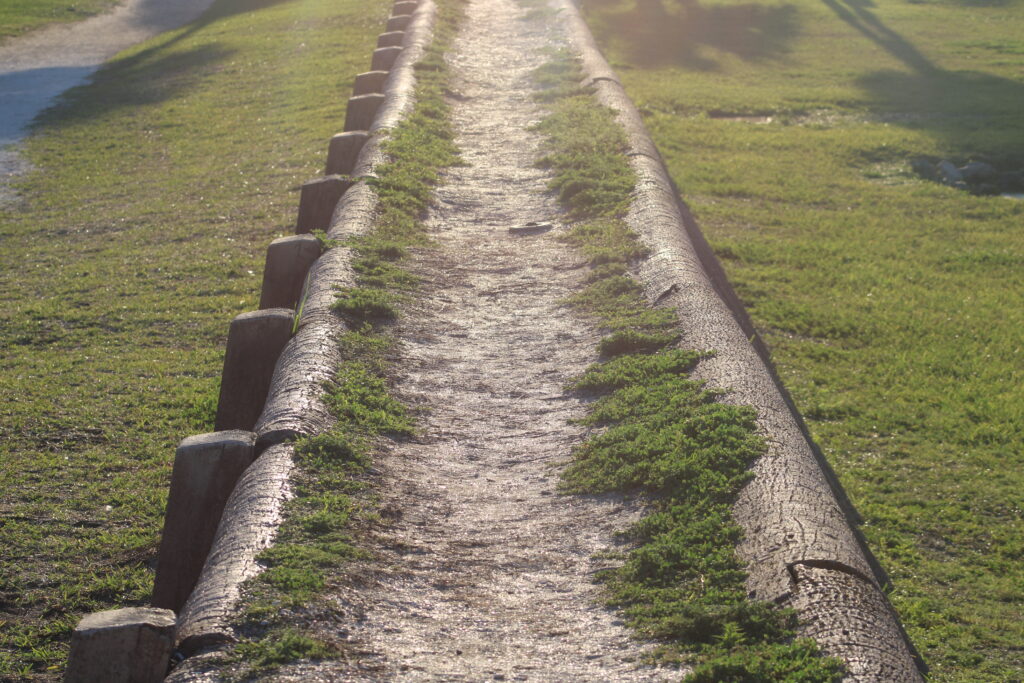
We were getting hungry from all of the walking around we were doing so we found a nicer looking restaurant called Catch 27. This restaurant claimed to be a surf and turf high end restaurant, however much to my son’s disappointment there was not much turf on the menu. My wife and I enjoyed our entrées though.
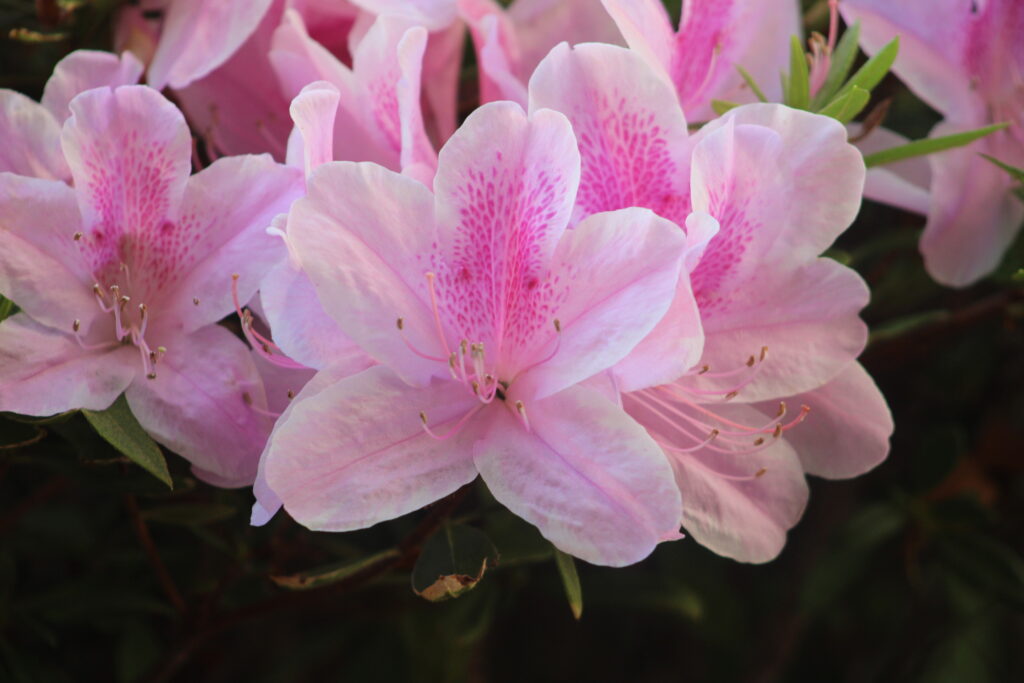
After dinner we wandered through the old city streets and eclectic shops. We even found a torture museum however we did not feel like taking an hour to go through the novelty museum.
Eventually though we made our way back to our hotel. However one place I do want to talk about before I wrap on this post was a place we stopped at in the St. George street area prior to the fort. The City Gate Spirits, a purported distillery near the city gates. Though other than an over priced mediocre rye whiskey they sold only flavored liqueurs. I opted not to do the so called tasting.
There was another distillery in the old city area but we did not find time to stop there that night or the next day before we left for Stuart. We did stop at the Lightner Museum that next day. I feel that the museum is something you must experience for yourself to enjoy so I won’t talk about it here.
We enjoyed our time at St Augustine. It’s a nice city to visit even if it is a tourist trap. There are multiple sites that we were unable to visit on this trip. Including the Fountain of Youth Archaeological Park which we’ve seen mentioned on Expedition Unknown, a Discovery Channel show we enjoy watching. So I hope we can stop once again on a future trip.
Once again I want to thank you for reading, or just looking at the pictures if this blog because it was TLDR. Please feel free to comment below and of course share my content with other.
Very interesting. Have never been there but learned a lot. Nice pictures
Sounds like you need to do the Stairmaster at the gym more bud.
Loved the white ibis.
I love the water weel picture and to first Castillo de San Macos picture.
I meant wheel